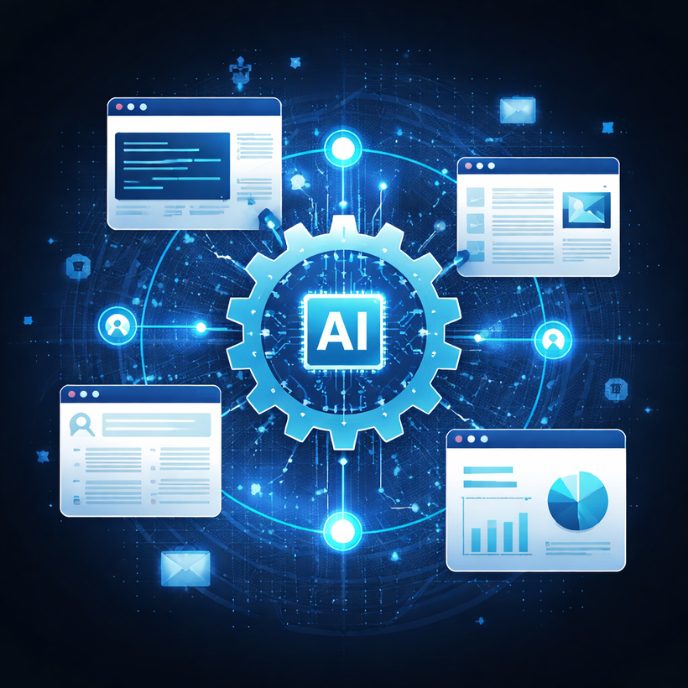
The world of work is evolving at an unprecedented pace. Regardless of location or industry, the impact is widespread, driven by the growing adoption of technologies such as artificial intelligence (AI), machine learning, and robotics. These advancements are reshaping job markets, career expectations, and the traditional value of higher education.
The Global Reality for Entry to Mid-Level Managerial Positions
Once considered a gateway to secure employment, advanced degrees like MBAs and MScs are no longer guaranteed pathways to job security. Recent trends indicate that professionals with higher education often face prolonged job searches compared to their less formally educated peers, particularly in Western economies.
Key Factors Driving This Shift
- Remote Work and a Global Talent Pool
The rise of remote work has enabled employers to access skilled talent globally, often at lower costs. This reduces domestic opportunities for advanced-degree holders who expect higher compensation. - Skills-Based Hiring Over Traditional Credentials
Hiring managers increasingly prioritize industry-relevant skills and certifications over formal degrees. This shift places greater value on practical expertise and hands-on experience. - AI-Driven Automation
AI technologies are automating tasks traditionally performed by highly educated professionals, particularly in white-collar sectors. This transformation is leading to job displacement and redefining required skill sets.
This evolving landscape underscores the necessity of continuous learning and adaptability. Professionals must proactively upskill through employer-sponsored programs or online learning platforms such as Coursera and Udemy. Simultaneously, employers should recognize the value of experience and invest in workforce reskilling through certification sponsorships and paid boot camps.
Ultimately, success in today’s job market is not solely determined by holding an advanced degree from a prestigious institution. It depends on having relevant experience, a willingness to start in junior roles, and a commitment to continuous growth. While formal education can provide a head start, resilience and adaptability ensure long-term success.
Valuing Human Capital as a Strategic Asset
For organizations to thrive in this shifting landscape, CXOs must prioritize human capital development by:
- Cultivating a culture of continuous learning.
- Encouraging internal talent mobility and peer-driven career growth.
- Embracing a diverse and unconventional workforce to foster innovation.
Kasadara’s Innovation-Driven Workforce Development
At Kasadara, our innovation-centric culture—IDEA Bees—fosters a ‘Experiment-Go/No-Go-Deliver’ approach. We empower our teams to explore new ideas rapidly and apply this methodology to solve our clients’ business challenges effectively.
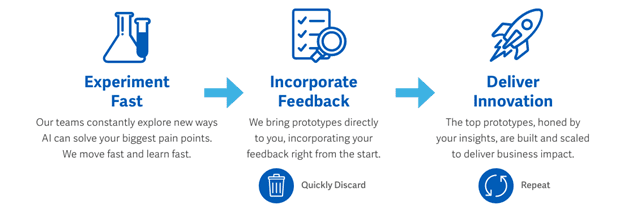
To meet the demands of an increasingly competitive and fast-paced business environment, organizations must attract and retain a highly engaged and skilled workforce. This requires providing employees with the right tools, fostering a supportive work environment, and ensuring they feel valued and empowered.
As AI continues to redefine the workplace and productivity expectations rise, a collaborative effort between employees and organizations is crucial to shaping future career pathways and ensuring economic resilience. Kasadara stands ready to support our global partners and clients with automation solutions and consulting expertise to navigate this transformation.
Author:
Shenba Vignesh
Manager-People & Culture
Kasadara Technology Solutions